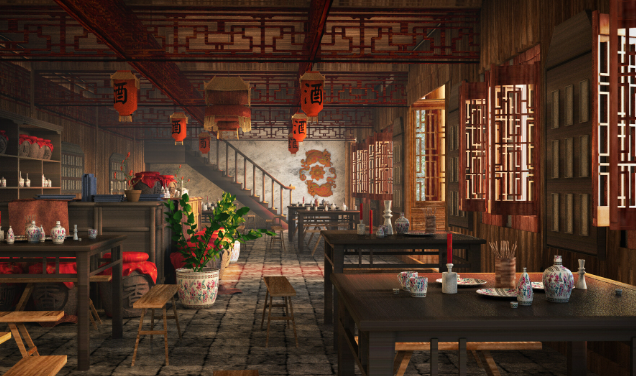
Chinese Restaurant Dining with Time-Honored Food Traditions
Chinese restaurant dining offers more than flavorful dishes on a table. It brings together culinary customs, regional recipes, traditional techniques, and the social experience of sharing food. Many dishes carry stories that connect modern meals with generations of cooking knowledge. From fragrant tea and handmade dumplings to stir-fried vegetables and carefully prepared seafood, every element can contribute to a dining experience shaped by history. The combination of familiar flavors and cultural traditions makes Chinese cuisine www.newhongkongchineserestaurant.com appealing to diners who want more than a routine meal. Restaurants also provide an accessible way to explore different regional influences without traveling across China. Each menu can reveal another side of Chinese culinary culture through ingredients, preparation methods, textures, and presentation.
Shared Meals Bring People Together
Chinese dining often places several dishes in the center of the table for everyone to enjoy. This shared approach encourages conversation and allows diners to taste different combinations throughout the meal. Instead of choosing only one main dish, guests can explore vegetables, seafood, meat, noodles, rice, and soup together. The arrangement also creates a relaxed rhythm because everyone can take small portions while waiting for other dishes to arrive. Family gatherings frequently use this style, but friends and colleagues can enjoy the same communal atmosphere. Sharing food also encourages diners to discover unfamiliar dishes without committing to a full individual serving. This tradition gives the meal a strong social character and turns dining into an experience that involves everyone at the table.
Regional Flavors Define Chinese Cuisine
China’s diverse geography has produced countless regional cooking traditions. Sichuan cuisine often combines chilies, garlic, and Sichuan peppercorns for bold aromatic flavors, while Cantonese cuisine commonly highlights fresh ingredients with lighter seasoning. Northern regions have strong traditions involving wheat-based foods such as dumplings, noodles, and steamed buns. Other regions showcase rice dishes, fermented ingredients, seafood, fragrant herbs, or richly seasoned preparations. Chinese restaurants can bring several of these influences together, giving diners an opportunity to explore different culinary identities through one menu. Regional variety also explains why two Chinese restaurants may offer completely different dining experiences while both remain firmly connected to Chinese cuisine. Exploring regional specialties can make familiar ingredients feel completely new.
Traditional Cooking Techniques Add Character
Cooking techniques play a major role in the flavor and texture of Chinese dishes. Stir-frying uses high heat to cook ingredients quickly while helping vegetables retain their crisp texture. Steaming provides gentle heat for fish, dumplings, buns, and other delicate foods. Braising allows meat and vegetables to absorb flavorful cooking liquids over a longer period, creating richer results. Roasting develops aromatic surfaces and satisfying textures. Cooks select these methods according to the ingredients and desired result rather than treating every dish the same way. This careful approach gives Chinese cuisine its impressive range of textures. A single meal can include crispy vegetables, tender meat, silky noodles, delicate seafood, and chewy dumplings, creating variety from the first dish to the last.
Tea Complements the Dining Experience
Tea has an important place within Chinese food traditions and often accompanies meals at restaurants. Green tea, jasmine tea, oolong, and pu-erh each provide distinct aromas and flavors that can complement savory dishes. Tea can also refresh the palate between bites, especially when the table includes rich sauces or strongly seasoned specialties. Beyond its taste, tea contributes to the relaxed rhythm of dining. Guests can refill their cups while talking, sharing food, and waiting for additional dishes. This simple ritual can make the meal feel more deliberate and social. For diners discovering Chinese cuisine for the first time, trying different teas adds another dimension to the experience and provides a closer look at the traditions that surround the food.
Dumplings Reflect Culinary Heritage
Dumplings remain one of the most recognizable foods associated with Chinese cuisine. Restaurants may prepare them with pork, shrimp, beef, vegetables, or combinations of different fillings. Cooks can steam, boil, or pan-fry them, creating noticeably different textures and flavors from the same basic concept. Dumpling preparation also has a strong connection with family traditions. People can gather to prepare dough, season fillings, and shape dumplings together, turning food preparation into a social activity. Restaurants continue this culinary heritage by offering regional variations and different preparation styles. For diners, ordering dumplings provides an easy way to experience both the versatility of Chinese cooking and the cultural importance that certain dishes can carry.
Noodles Carry Meaning and Versatility
Noodles appear in countless Chinese dishes and can adapt to almost any flavor profile. Restaurants may serve them in savory broths, stir-fried preparations, or dishes combined with vegetables, meat, seafood, and aromatic sauces. Different noodle varieties also create different textures, giving cooks another way to shape the dining experience. In Chinese culture, certain noodle dishes carry symbolic associations with longevity, particularly during celebrations and special occasions. Their long form can represent a long and prosperous life. This symbolism gives noodles significance beyond their role as a staple food. At the same time, their flexibility keeps them popular for everyday dining, allowing restaurants to present traditional noodle dishes alongside contemporary interpretations.
Fresh Ingredients Create Balanced Dishes
Chinese cooking often focuses on creating harmony between ingredients, seasoning, aroma, and texture. Fresh vegetables can provide natural sweetness and crispness, while ginger, garlic, scallions, sesame, soy sauce, and vinegar add fragrance and depth. Seafood and meat can bring richness without overpowering the other components on the table. Texture also plays an important role in creating balance. Crispy vegetables can contrast with tender meat, while chewy noodles can complement a silky sauce. This attention to contrast keeps meals interesting from one dish to another. Rather than relying on heavy seasoning alone, cooks can build complexity by combining fresh ingredients with precise cooking techniques. The result allows individual ingredients to remain recognizable while contributing to a larger flavor profile.
Family Customs Influence Restaurant Dining
Many Chinese food traditions developed around family meals, and restaurants often preserve this communal spirit. Large tables make it easier for guests to share dishes, while rotating serving platters allows everyone to reach different foods. This arrangement reflects the idea that dining involves participation rather than simply receiving an individual plate. Restaurants can also preserve recipes associated with particular regions or generations, giving diners access to flavors that might otherwise remain within family kitchens. Younger diners can discover traditional foods through restaurant menus, while older generations can reconnect with familiar flavors. In this way, restaurants can help keep culinary customs active within modern dining culture while adapting them to changing tastes and contemporary settings.
Modern Menus Preserve Traditional Roots
Chinese restaurants continue to evolve as chefs experiment with presentation, ingredients, and cooking methods. Some restaurants focus closely on traditional regional recipes, while others combine classic flavors with contemporary techniques. Modern presentation can give familiar dishes a new appearance without removing the culinary principles behind them. Chefs may also introduce diners to lesser-known regional specialties alongside popular favorites. This combination allows restaurants to serve different generations and preferences at the same table. Traditional flavors remain recognizable, yet the dining experience can feel fresh and current. The ongoing balance between heritage and innovation helps Chinese cuisine remain dynamic while preserving the techniques, ingredients, and cultural ideas that have shaped its development.
Exploring Tradition Through Every Dish
A Chinese restaurant meal can introduce diners to much more than a collection of recipes. Shared dishes demonstrate the importance of togetherness, regional specialties reveal the diversity of Chinese cuisine, and traditional cooking techniques showcase the skill behind each preparation. Tea adds another cultural layer, while dumplings and noodles connect everyday dining with long-standing customs. Fresh ingredients and balanced textures further demonstrate the thoughtful approach behind many dishes. Exploring a menu with curiosity can therefore turn an ordinary meal into a broader culinary experience. Each dish offers another opportunity to understand how food, culture, family, and regional identity continue to influence Chinese restaurant dining.